

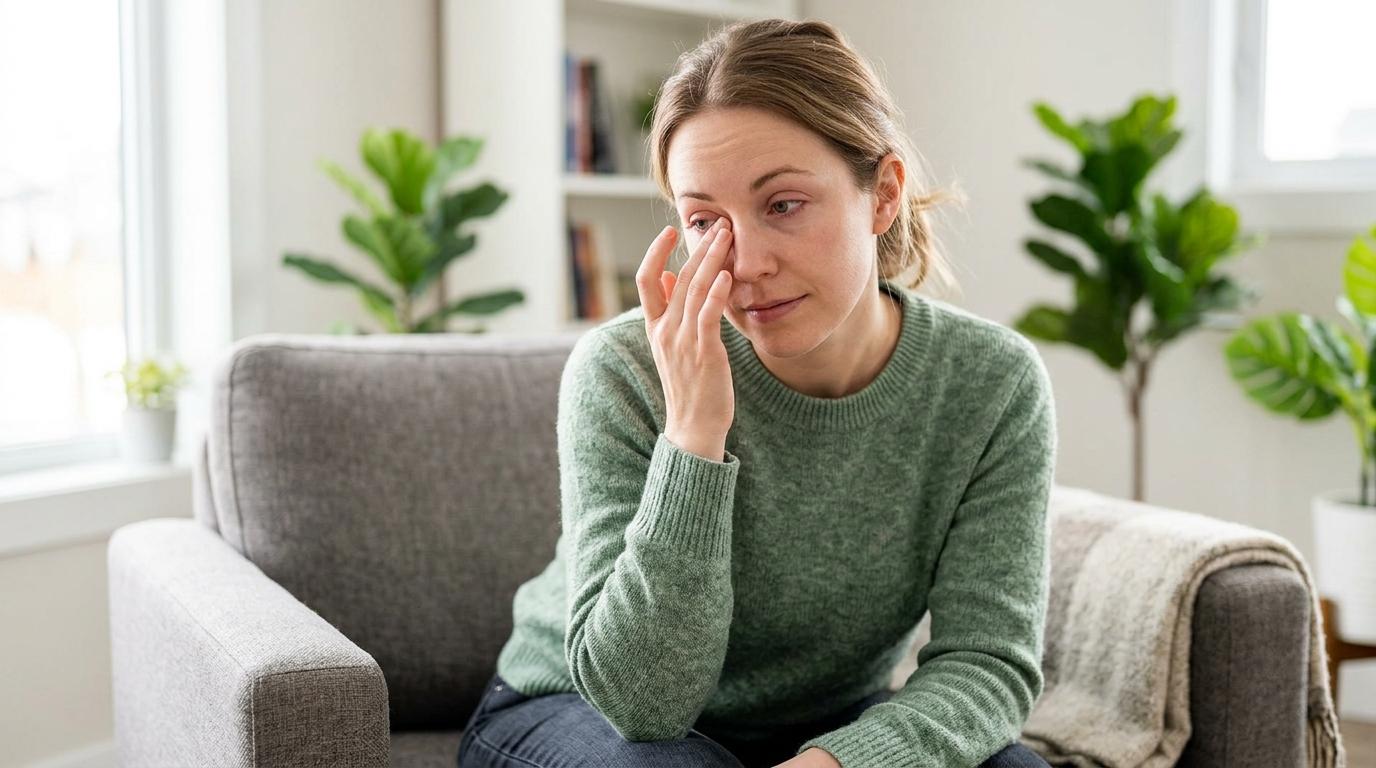
Waking up with puffy, swollen eyes is never a pleasant way to start the day. If your eyes feel itchy and look red after spending time outdoors or around a pet, you might be experiencing allergies. At Visionary Eye Centre, we understand that the first question you may have is when the uncomfortable symptoms will go away.
Swollen eyes from allergies typically clear up within a few hours to a few days, depending on the type of allergen, how long you’re exposed to it, and your individual reaction. It might be time to see an eye doctor if your allergies start interfering with your daily activities.
How Long Swollen Eyes from Allergies Typically Last
The timeline for eye swelling depends a lot on what’s causing the reaction. Pet dander or dust exposure tends to cause a short burst of symptoms that fades once you’re away from the source. Seasonal pollen, however, is a different story because you’re constantly re-exposed every time you step outside during spring or summer.
For pollen-related allergies, symptoms can persist as long as pollen counts stay high. For other allergens, like a specific pet or a dusty room, swelling often settles within a few hours. Your body’s reaction also plays a role, as some people have stronger responses than others.
What Affects How Long the Swelling Lasts
Type of Allergen
Not all allergens behave the same way. Seasonal pollen floats through the air for weeks at a time, which means your eyes can stay irritated and swollen throughout the season. Indoor allergens like pet dander or dust mites tend to cause shorter flare-ups because exposure is more controlled.
If you know what’s behind your reaction, that information can help you manage your symptoms more effectively. An optometrist can also help identify whether your eyes are reacting to an allergen or something else entirely.
Continued Exposure
As long as the allergen is present, your eyes may continue to react to it. Staying indoors with the windows closed during high pollen days, for example, can give your eyes a chance to calm down. The longer you stay near the source, the longer the swelling tends to linger.
Removing yourself from the allergen can be a great method to start feeling better. Even small changes, like washing your face after coming indoors or changing your clothes, can reduce how much of the allergen is around your eyes.
Wearing UV-protective sunglasses outdoors can also act as somewhat of a physical barrier against airborne allergens. Our wide selection of sunglasses includes styles with wraparound coverage that help shield your eyes from both UV rays and pollen.
How to Tell If Eye Swelling Is from Allergies
Signs It’s Likely an Allergy
Allergy-related eye swelling tends to come with a few recognizable signs. Both eyes are usually affected at the same time, and the swelling often comes with itching, watering, and redness. The discharge, if any, is typically clear or slightly stringy rather than thick or coloured.
If you’re experiencing an allergic reaction, you might notice:
- Itchy, watery, or redness in both eyes
- Clear or stringy discharge
- Symptoms that appear around the same time each year or after allergen exposure
When It Might Be Something Else
Sometimes eye swelling is a sign of something other than allergies. Yellow or green discharge, pain, or swelling in only 1 eye can sometimes indicate an infection, like pink eye. These symptoms are worth getting checked out sooner rather than later, because some types of conjunctivitis can be very contagious:
- Yellow or green discharge from 1 or both eyes
- Only 1 eye is affected
- Eye pain or sensitivity to light
- Fever alongside eye symptoms
Ways to Reduce Swollen Eyes from Allergies
Quick Relief at Home
A cold, damp cloth resting gently over your closed eyelids can help reduce puffiness and soothe irritation. It’s a simple step, but it can make a difference when your eyes feel uncomfortable and swollen.
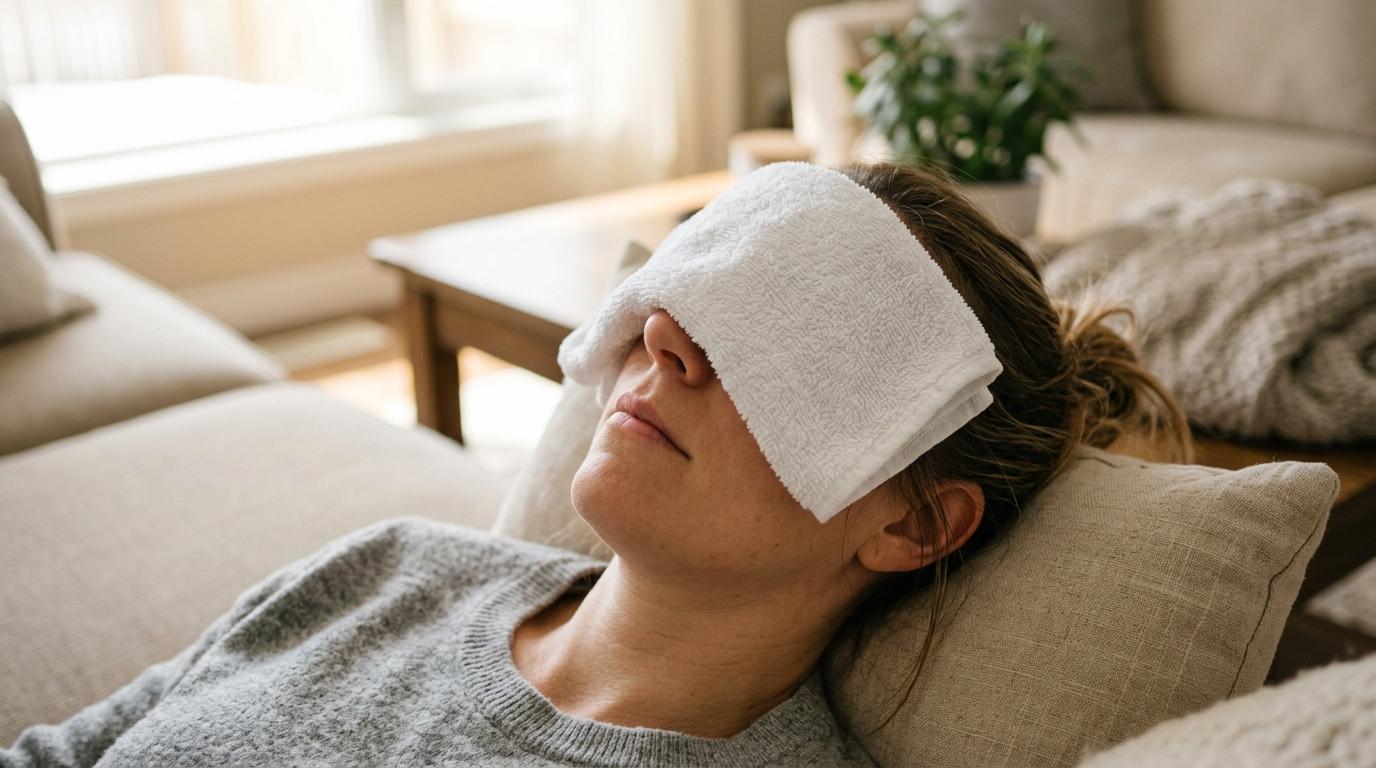
Rinsing your eyes with lukewarm water or using preservative-free eye drops can also help flush out allergens sitting on the surface of your eye. Avoid rubbing your eyes, as that tends to make redness and swelling worse.
For more at-home approaches worth trying, these home remedies for dry eye overlap with allergy relief strategies and are easy to work into your daily routine.
Over-the-Counter Options
Antihistamine (which means anti-allergy) eye drops are a popular option because they target the reaction directly at the eye. They can help reduce swelling, redness, and itching fairly quickly. Look for drops formulated for allergies rather than general redness relief. If you’re unsure which drops to choose, this guide to choosing eye drops breaks down the differences between common over-the-counter formulas.
Oral antihistamines (anti-allergy medications that you take in pill form) address allergy symptoms throughout the body, including the eyes and nose. They’re often a practical option when your symptoms are more widespread over the whole body. An optometrist can point you toward an option that fits your specific situation.
When to See an Optometrist About Eye Swelling
Home remedies and over-the-counter products work well for many people, but some situations call for a closer look. If your eye swelling hasn’t improved after 2 days of at-home care, an optometrist can help figure out what’s going on and recommend a more targeted approach.
You should book an appointment with an eye care professional if:
- The swelling persists after 2 days of home treatment
- Your eyelids swell shut or nearly shut
- Your symptoms return every allergy season and disrupt daily life
- You’re unsure whether allergies or an infection is the cause
There are prescription options and long-term strategies that can make allergy season much more manageable. If you’re dealing with recurring seasonal eye swelling, it’s worth having a visit with an optometrist about your symptoms.
Book Your Appointment
At Visionary Eye Centre, our team takes a thorough approach to your eye health, including allergy-related concerns that affect your day-to-day comfort. If swollen eyes are interfering with your routine, we encourage you to book an eye exam. Reach out to the team at either our Sherwood Park or Edmonton locations to get started.