

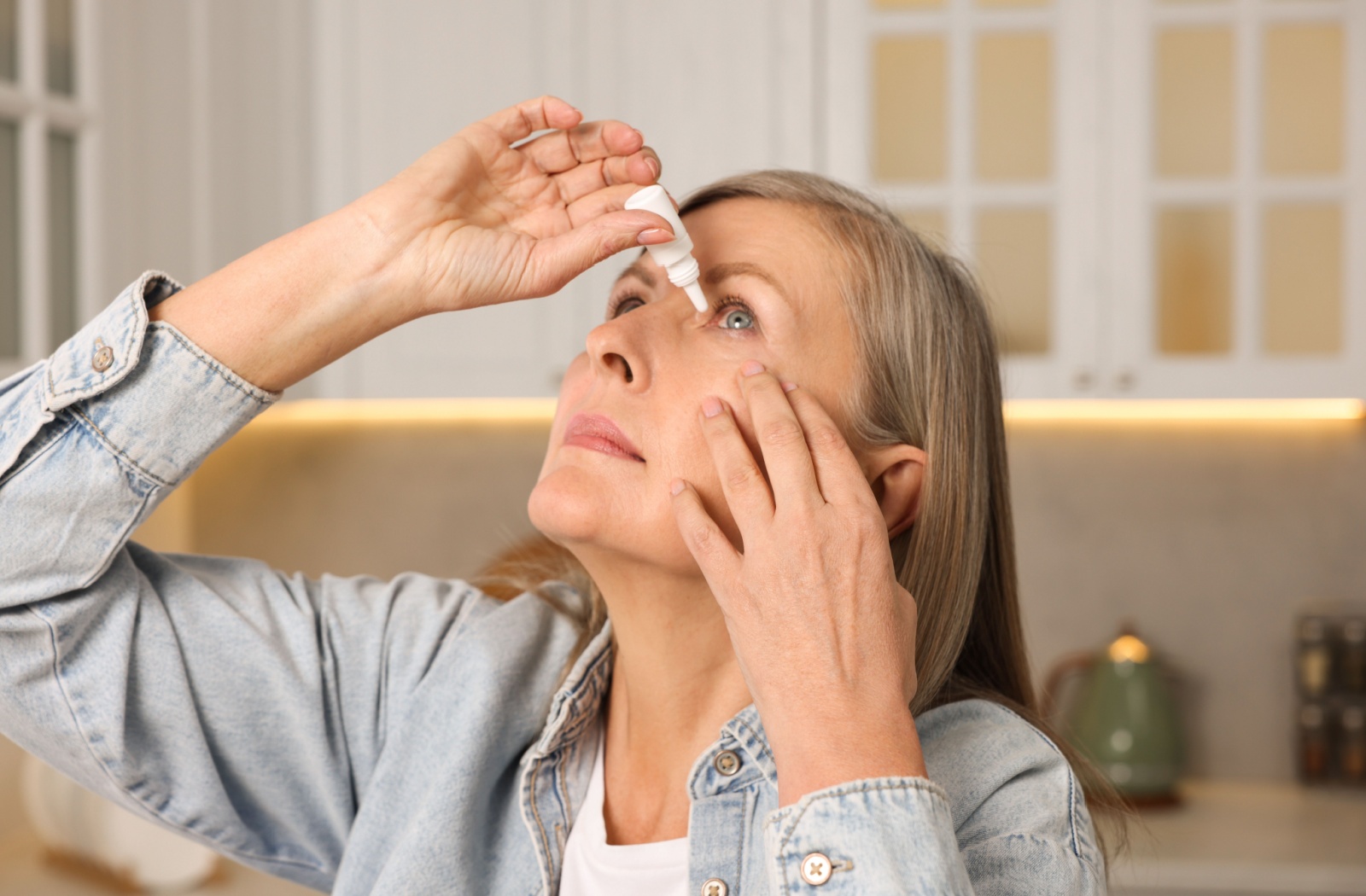
That gritty, stinging, or uncomfortable feeling of dry eye can be a distraction from day-to-day life for many. When you head to the pharmacy looking for relief, the selection of different eye drops can feel overwhelming. With so many options, it’s natural to wonder which is right for you, especially since the underlying causes of dry eye disease can vary.
The most helpful eye drops can depend on the cause of your dryness: A conversation with your optometrist after a thorough eye exam can help you find a suitable solution. While over-the-counter drops can offer temporary comfort, sometimes dry eye can go beyond what is offered at the pharmacy. The team at Visionary Eye Centre can help you decide how to care for your eye health.
What Dry Eye Feels Like
Dry eye is a common condition that occurs when your eyes either don’t produce enough tears or the tears are of poor quality. This discomfort can range from a minor annoyance to a persistent issue that affects your day. You might be experiencing dry eye if you notice any of these signs:
- A gritty or sandy feeling, like something is in your eye
- Stinging or burning sensations
- Redness or general irritation
- Periods of excessive watering, followed by dryness
- Blurred vision that improves after you blink
- Discomfort while wearing contact lenses
An Overview of Over-the-Counter Eye Drops
The eye care aisle can seem complicated, but most non-prescription drops fall into a few key categories. Each type is designed to address different levels of dryness or specific symptoms.
Artificial Tears for Mild Dryness
These are the most common type of eye drops for dry eye. Artificial tears work by supplementing your natural tear film with extra moisture. They can provide temporary relief from the scratchy, tired feeling associated with mild dryness.
Gel Drops and Ointments for Longer Relief
For more stubborn symptoms, you might consider gel drops or ointments. These products are thicker than artificial tears, so they remain on your eye’s surface longer. They help provide extended lubrication, which makes them a good option for overnight use.
Eye Drops for Redness
It’s easy to grab a bottle of “redness relief” drops, thinking they will also help with dryness. However, these drops work differently. They contain ingredients called decongestants that shrink the blood vessels on the white part of your eye. While this can make your eyes look less red, it doesn’t address the root cause of dryness and may even cause more irritation over time.
Ingredients and Formulations
A quick look at the label can tell you a lot about how a bottle of eye drops work. The active ingredients determine the drop’s main function, from lubrication to promoting tear production. Another important detail is whether the formula contains preservatives.
Preservatives vs. Preservative-Free
Many multi-use eye drop bottles contain preservatives to prevent contamination after opening. For some people, these chemicals can cause irritation, especially if you need to use drops more than 4 times a day. Preservative-free formulas, usually packaged in single-use vials, are often a gentler option for sensitive eyes or frequent use. It’s particularly important to follow safe practices for contact lenses, as preservatives can build up on the lenses and cause discomfort.
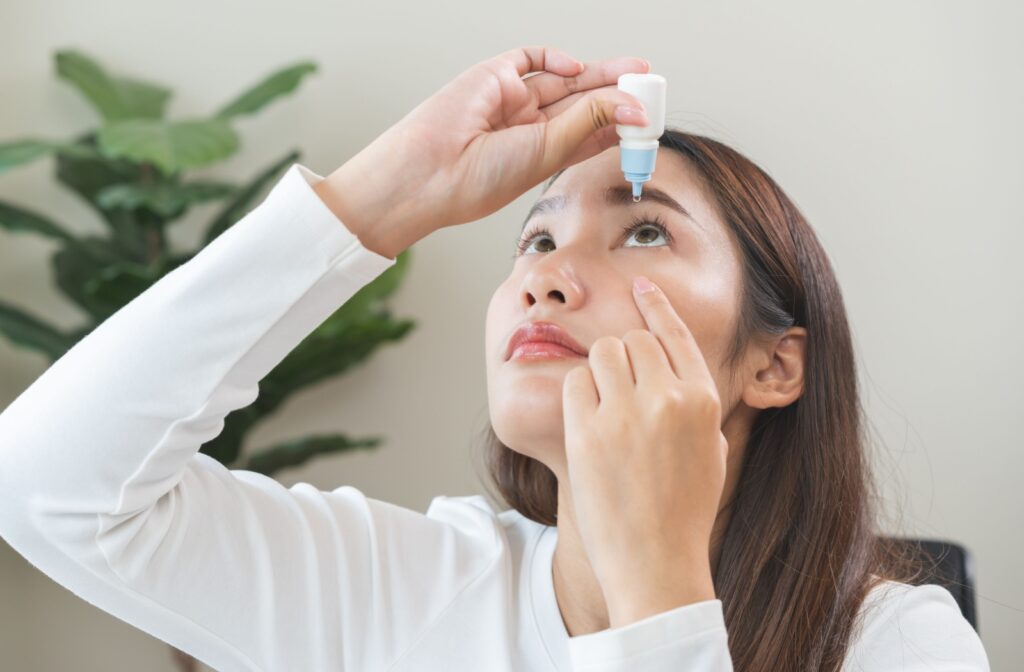
When and How an Optometrist Can Help
Over-the-counter drops can be a great starting point, but they may not be a complete solution for everyone. If your symptoms continue or get in the way of your daily activities, it’s a good idea to schedule a visit.
A Clear Diagnosis for Your Eyes
If store-bought drops aren’t providing the relief you need, there may be an underlying cause that requires a closer look. Through a comprehensive eye exam, an optometrist can assess your tear production and quality to determine why your eyes are dry. This diagnosis, which may identify issues like meibomian gland dysfunction, is key to finding an effective management plan.
Access to Different Treatment Options
Based on your exam, an optometrist can recommend a personalized approach that goes beyond the pharmacy aisle. This might include prescription eye drops that help your eyes produce more of their own tears or reduce inflammation. In some cases, in-office procedures or lifestyle suggestions can also help you manage your symptoms more effectively.
Don’t Let Dry Eye Control Your Life
Dry eye can be frustrating, but you don’t have to manage the discomfort on your own. At Visionary Eye Centre, our team of optometrists is here to help you understand your symptoms and find a path toward comfortable, healthy vision. If you’re in the Sherwood Park and Edmonton area, we invite you to schedule an appointment with us to discuss your eye care needs.