

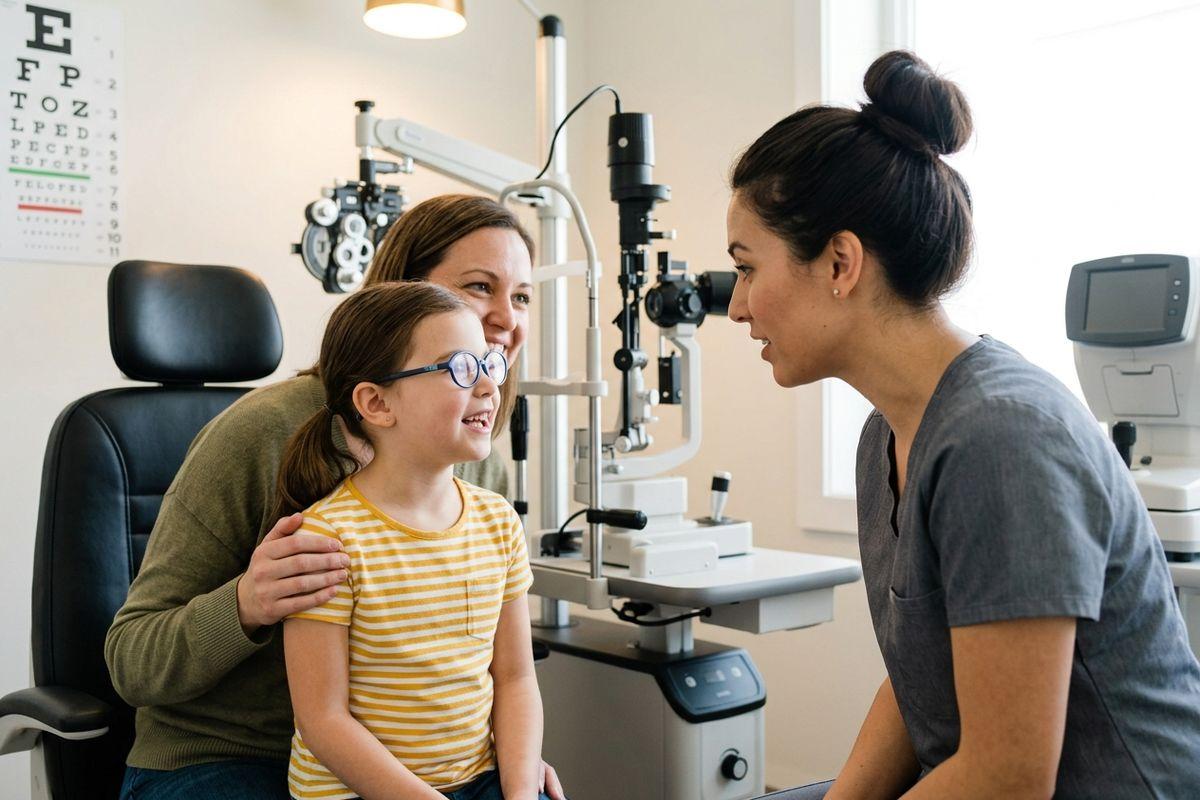
Key Takeaways
- Myopia cannot be cured, but it can be managed and slowed.
- Standard glasses and contacts correct vision without addressing underlying eye changes.
- Myopia control options like ortho-k lenses, specialty contacts/glasses, and atropine drops can help slow progression in children.
- Early action gives kids a stronger chance at protecting their long-term eye health.
- Regular eye exams with optometrists help track prescription changes and guide treatment.
Myopia Is Permanent
The honest answer is no. Myopia is caused by permanent changes to the shape of the eye, so it can’t be reversed. In adults, glasses, contact lenses and laser eye surgery can correct vision without affecting the underlying myopia shape of the eye. In children, myopia control can slow the rate at which myopia progresses, thereby helping to protect future vision.
If you or your child are experiencing symptoms of myopia, our team at Visionary Eye Centre is here to help.
What Is Myopia?
Myopia is a refractive error that happens when a person’s eye grows too long from front-to-back. An overly long eye focuses light in front of the retina (a tissue at the back of the eye) rather than directly onto it, thereby causing blurry distance vision.
Adults with higher levels of myopia have a higher risk of developing other, more serious eye conditions later in life. That’s why, with global myopia prevalence projected to reach 52% by 2050, myopia control is more important than ever.
Correcting Myopia In Adults
In adults, myopia can only be corrected, usually with contact lenses or glasses. Another option is laser surgery, which reshapes the cornea in order to change how the eye focuses light. This provides clear vision without having to wear glasses or contacts.
That said, none of these options change the physical shape of the eye, so they don’t reduce the long-term health risks that come with higher levels of myopia.
Myopia Control for Children
Myopia rarely disappears on its own. In most children, myopia gets worse during the early school years and teenage years, then stabilizes sometimes in the early 20s, when the eyes are still growing.
The earlier myopia is caught and managed, the more opportunity there is to slow its progression. By choosing to wait, you risk missing the window where intervention can make the most difference.
Myopia Control Options
There are several common options for myopia control. The right fit depends on your child’s age, prescription, and lifestyle.
Optical and Lens-Based Options
Orthokeratology, often called ortho-k, involves wearing specially shaped contact lenses overnight. These lenses gently reshape the front of the eye while you sleep, so that your child can see clearly during the day without needing to wear glasses or contacts. Many families find this option appealing for active kids.
Myopia control contact lenses and glasses are another option. These approaches correct vision while also helping to slow the progression of myopia.
Atropine Eye Drops
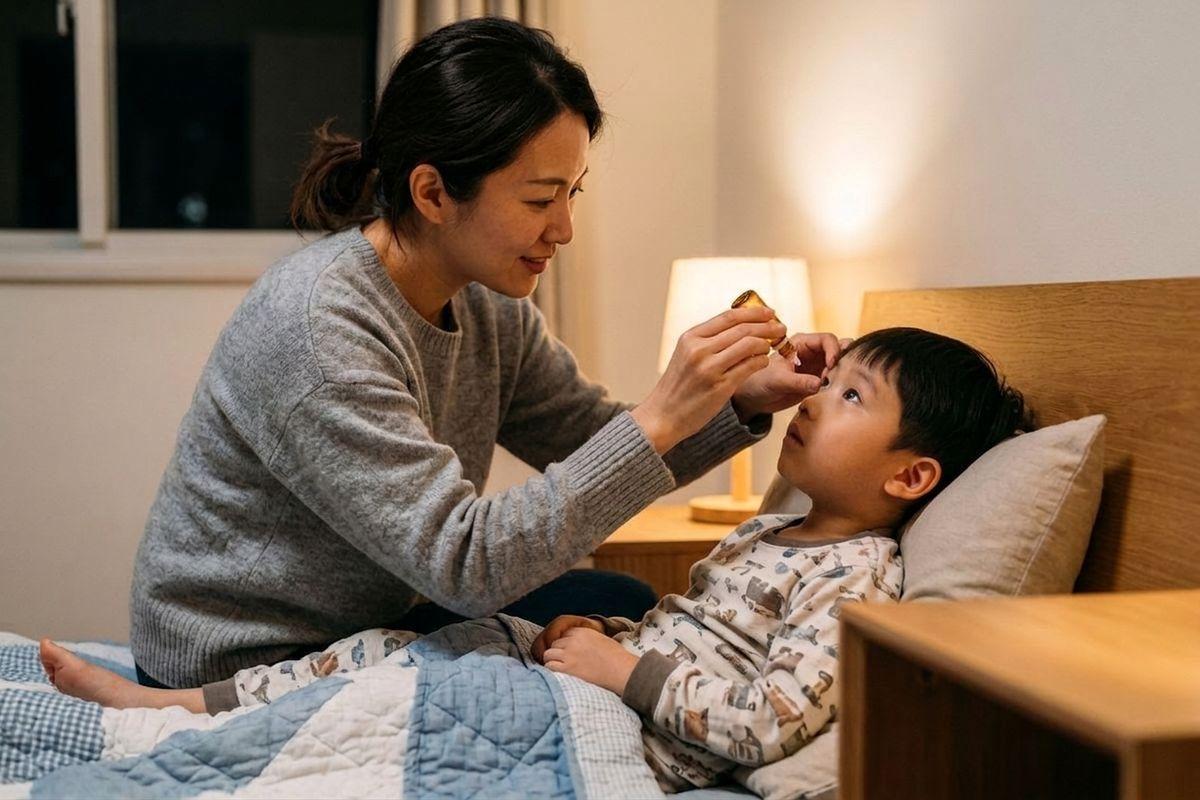
Low-dose atropine drops are a simple treatment that can help slow eye elongation in children. They’re typically used alongside specialty glasses or contact lenses. Research suggests that low concentrations of atropine can reduce myopia progression by up to half in some children. The dosage used for myopia control is much lower than what you’d see used for other eye conditions, and optometrists monitor progress regularly to adjust the dose as needed.
Everyday Habits That Support Healthy Vision
Alongside professional treatment, your child’s daily habits can affect their vision. Research has linked time spent outdoors to slower myopia progression in children. Aiming for at least 2 hours of outdoor time each day is a practical and easy place to start. Limiting screen time and taking regular breaks from screens or close-up tasks can also help protect your children’s vision.
Talk to Our Team at Visionary Eye Centre
Myopia may not have a cure, but it doesn’t have to go unmanaged either. If you’re noticing changes in your child’s vision, our team at Visionary Eye Centre can help you figure out the right path forward. Reach out to request an appointment and let’s get a clear picture of where things stand.