

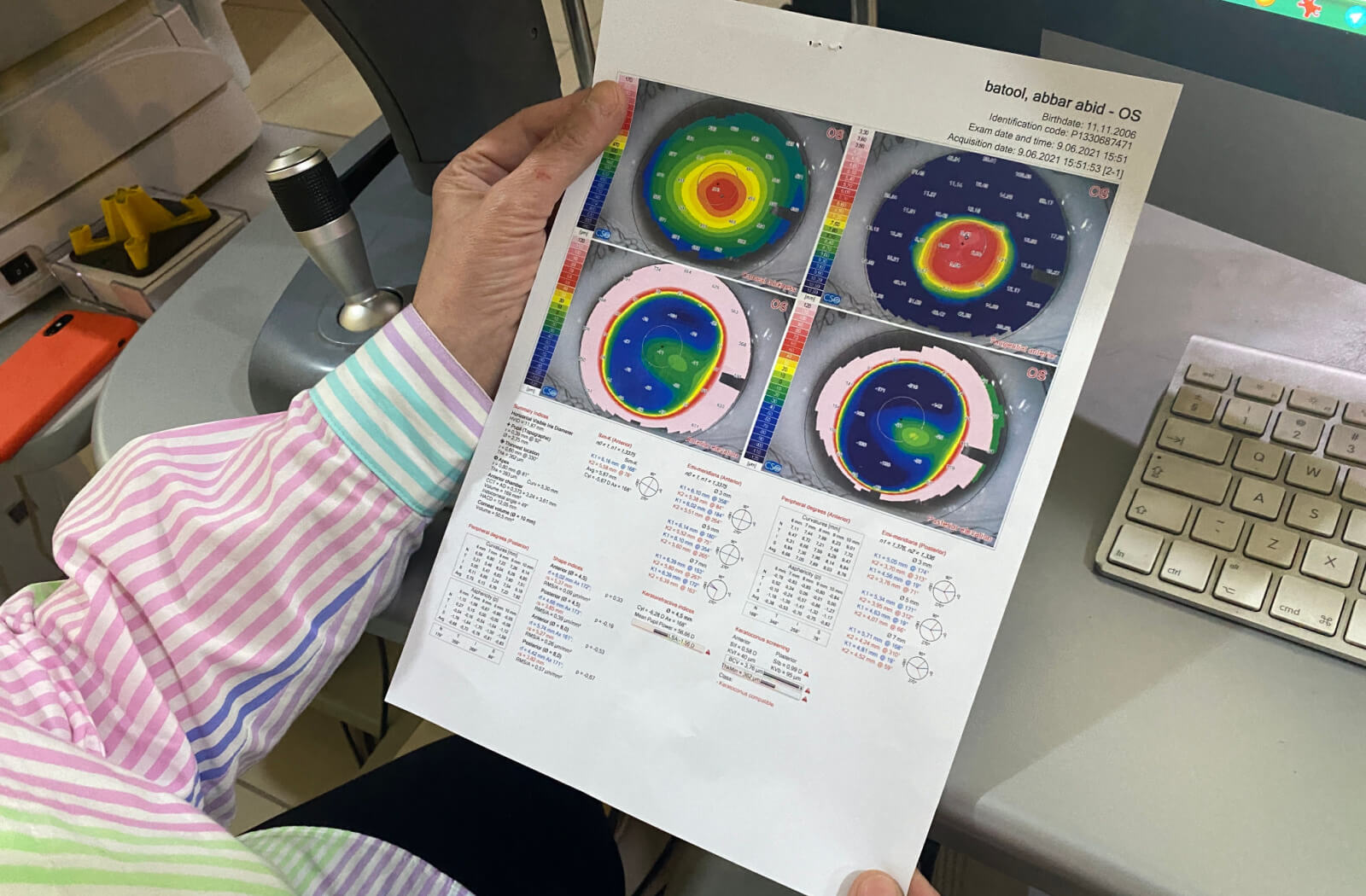
Glaucoma, a group of diseases characterized by the degeneration of the optic nerve as a result of pressure within the eye, is one of the main causes of blindness in Canada.
Although medication and surgery can significantly slow the disease’s progression, the damage done to one’s vision is typically irreversible.
As there is often no pain associated with elevated eye pressure, glaucoma commonly has no symptoms. Since early detection is key to avoiding vision loss, how will you know if you’re suffering from glaucoma, especially if there are no symptoms?
What Is Glaucoma?
Glaucoma is a group of eye diseases that cause progressive degeneration of the optic nerve, with many forms of this disease causing your eye pressure to rise. It typically exhibits few to no symptoms until the condition has progressed significantly, so regular eye exams are critical for protecting your vision. Without an exam, you may not even realize you have glaucoma until you lose vision.
There are several types of glaucoma, but the following are the most common:
- Primary open-angle glaucoma
- Angle-closure glaucoma
- Secondary glaucoma
- Normal-tension glaucoma
How Is Glaucoma Diagnosed?
Early detection of glaucoma, like many other eye diseases, is critical for effective management, but how is it identified? A series of tests performed as part of a comprehensive eye exam can aid in the diagnosis.
Several tests are often needed to help determine a treatment plan. Before deciding on the best treatment, eye doctors consider a variety of factors. These tests include:
- The inner eye pressure (tonometry)
- The shape and colour of the optic nerve (dilated eye exam)
- The complete field of vision (visual field testing)
- The angle in the eye where the iris meets the cornea (gonioscopy)
- The thickness of the cornea (pachymetry)
A thorough eye exam can reveal whether you have glaucoma or another condition. Following a diagnosis, your optometrist can recommend a tailored treatment plan for you. Each glaucoma test is unique to help your optometrist get the best picture of your eye health possible.
Tonometry
Tonometry measures the pressure inside your eye, which is a common cause of glaucoma. Your optometrist measures how well your cornea pushes back by gently pressing a small probe against the outside of your eyeball or by using the “air puff” test.
A normal blood pressure reading is between 12 and 22 mmHg (millimetres of mercury). A reading of 20 mmHg or higher may indicate glaucoma.
Dilated Eye Exam
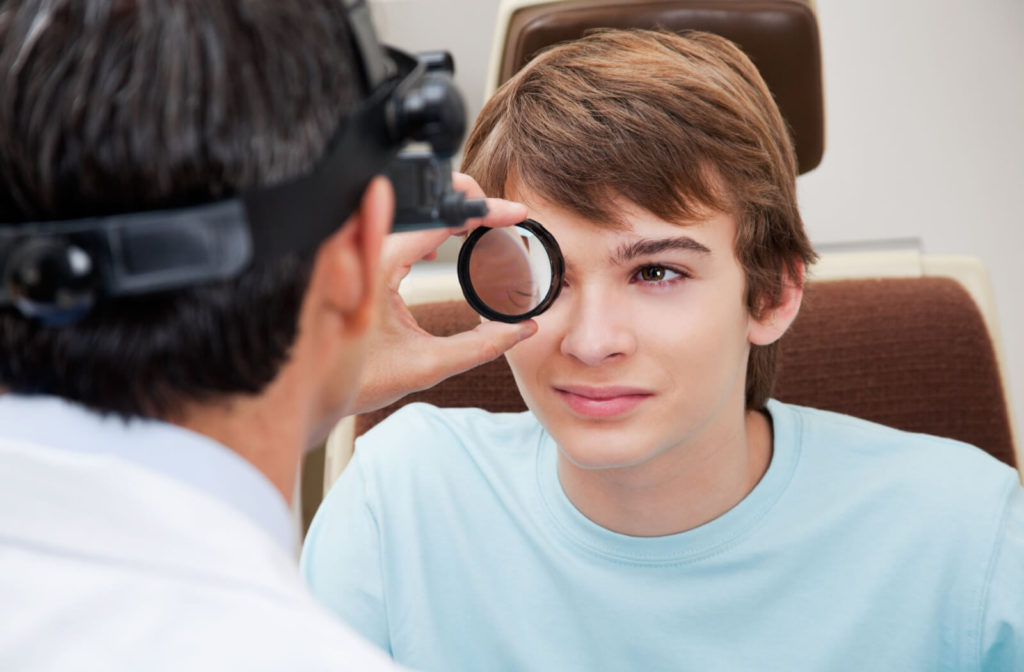
A comprehensive dilated eye exam can detect glaucoma in its early stages, before vision loss occurs. Drops are placed in the eyes during this exam to dilate, or widen, the pupils. This allows an eye doctor to examine the optic nerve for signs of damage and other potential issues.
Visual Field Testing
A visual field test, also known as a perimetry exam, is used to detect changes in peripheral vision. The visual field exam is an important part of glaucoma diagnosis and is repeated on a regular basis to determine whether the disease is stable or worsening.
OCT Scan
Optical coherence tomography (OCT) is an imaging device that allows your optometrist to see the various layers of your eye, and measure their thickness. These measurements can help with a glaucoma diagnosis as well as help your eye doctor develop a treatment plan.
Your eye doctor may start an OCT exam by putting eye drops in your eyes to dilate your pupils, which allows them to see more of your retina. Next, you’ll sit in front of the machine and try to remain as still as possible. The OCT machine will take pictures of the cross-section of your eye using non-invasive light waves, the process only takes about 5 to 10 minutes.
Pachymetry
The cornea’s thickness is measured through pachymetry. A probe called a pachymeter is placed in front of the eye to measure the thickness of the cornea, which can affect pressure readings.
Treating Glaucoma
Although glaucoma cannot be cured, it can be slowed. Medication and certain surgical procedures can postpone the condition long enough that you could live a full life without experiencing significant vision loss.
Medication
There are several medications available to treat glaucoma. These medications are typically used to reduce high intraocular pressure. A single medication or a combination of medications may be prescribed.
If the medication does not provide enough pressure reduction or if side effects occur, the type of medication may be changed.
Surgery
These procedures aim to reduce intraocular pressure. Surgery can help lower pressure when medication is ineffective, but it can’t reverse vision loss. Some glaucoma surgeries can include:
Detect Glaucoma Early with a Comprehensive Eye Exam
The key to managing glaucoma is early detection. The sooner your optometrist diagnoses glaucoma, the sooner they can create an effective treatment plan to help preserve your vision.
Visionary Eye Centre provides comprehensive eye exams to detect the early onset of glaucoma and can provide tailored treatment options to minimize the disease’s impacts in the event of a confirmed diagnosis. Request an appointment online today.