

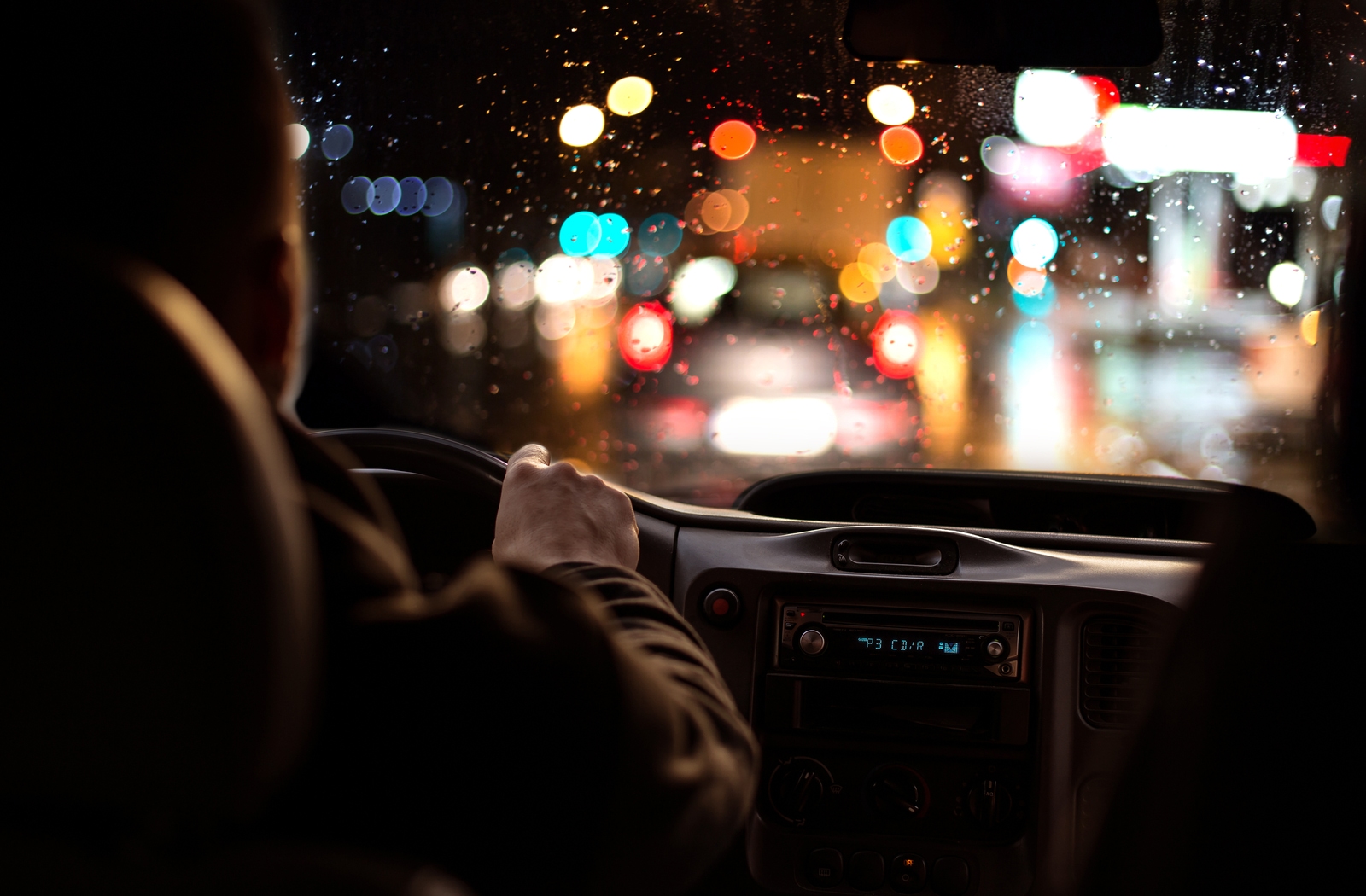
Are You Struggling to See When Driving at Night?
If you have trouble with bright headlights, streetlights, or the general darkness of night, it can affect your driving. You may struggle to drive at night for several reasons, including age-related changes in vision, glare from oncoming headlights, or underlying eye conditions such as cataracts or night blindness.
But how can you make it easier to see when it’s dark? A visit to your optometrist can help. Your eye doctor can perform a comprehensive eye examination to assess your visual health and determine the cause of your nighttime vision problems. They may recommend corrective measures such as:
- Prescription glasses or contact lenses
- Anti-glare coatings for your lenses
- Treatments for specific eye conditions
Continue reading to learn more about nighttime driving, including why people can struggle with it, what causes it, and how you can make it easier to see.
Why Is Driving at Night Difficult?
If you struggle to see clearly at night when driving or navigating your house, you may have night blindness (nyctalopia). You have night blindness when you struggle to see at night or in dimly lit areas. It may take longer for your eyes to adapt to darker environments.
Despite its name, night blindness doesn’t mean you can’t see at night. You have more difficulty, but you can still see. You can improve your nighttime driving with help from your optometrist.
Night Blindness Symptoms
The main symptom of night blindness is having difficulty seeing in dark or dimly lit environments. You may notice that your vision worsens when you leave a bright room and enter a darker area. When driving, you may find it’s harder to see due to the brightness of headlights and streetlights.
Ask yourself if you’re having trouble moving around the house when it’s darker or if driving at night feels like a challenge. Book an appointment with your eye doctor if you’re experiencing difficulties, and they can help determine the cause of your night blindness.

What Causes Night Blindness?
It’s important to note that night blindness isn’t a condition itself—it’s a symptom of an underlying problem. Many of these conditions are treatable, improving your ability to see at night. Your optometrist can identify the underlying cause of your night blindness during a comprehensive eye exam.
Glaucoma
Glaucoma is a group of eye diseases that damage your optic nerve. Several types of glaucoma exist, and many raise your intraocular pressure (IOP). Rising pressure damages your optic nerve, leading to unrecoverable vision loss.
As glaucoma progresses, it gradually affects your peripheral and night vision.
Cataracts
A cataract is the clouding of your eye’s lens. The lens becomes opaque with time, making it harder to see. While you may not notice any changes to your vision at first, this condition can progress until you struggle to read, drive, or recognize facial expressions.
It can become harder to see at night as your cataract progresses. Surgery is typically the only treatment available when cataracts significantly affect your vision.
Myopia
Myopia, or nearsightedness, is a refractive error where you see nearby objects clearly, but far away images look blurry. The shape of the eye causes light to focus in front of the retina instead of on it.
Besides blurry vision, difficulty seeing or driving a vehicle at night is a common symptom of myopia.
Vitamin A Deficiency
Vitamin A is necessary for your eye health, vision, skin, and fighting off infections. A vitamin A deficiency occurs when you don’t incorporate enough vitamin A-rich foods into your diet. Your body doesn’t naturally produce vitamin A, so food is essential for getting this necessary vitamin.
Without enough vitamin A in your diet, you may have trouble seeing or driving at night.
Retinitis Pigmentosa
Retinitis pigmentosa is a group of rare eye diseases that affect your retina. The cells in the retina slowly break down over time, leading to vision loss. Retinitis pigmentosa is something you’re born with.
Night blindness is one of the most common early symptoms of retinitis pigmentosa.
How Can You Help Yourself See Better at Night?
Treating night blindness depends on its cause and severity. Your optometrist may recommend new glasses or contacts if you have myopia, dietary changes for vitamin A deficiency, or potential surgical options for glaucoma or cataracts.
Unfortunately, night blindness may not be treatable for conditions like retinitis pigmentosa. While there is no cure for this disease, your eye doctor can recommend ways to help you improve your symptoms.
Things You Can Do Yourself
While your eye doctor can help address any eye problems you have, you can help yourself see better at night by staying prepared. You can minimize glare and eye strain by keeping your glasses and windshield clean, avoiding unnecessary brightness, and adding special features to your glasses:
- Clean your glasses: Cleaning your glasses can ensure your lenses are clear & easier to see through
- Clean your headlights: Dirt on your headlights can make them appear dimmer
- Clean your windshield: Dirt & dust can make it harder to see at night
- Dim the dashboard lights: Dimming your dashboard lights can reduce eye strain & help you see better at night
- Maintain your windshield wipers: Replace your wipers when necessary & keep them clean to prevent grime or build-up on your windshield
- Use an anti-reflective coating on your glasses: You can get an anti-reflective coating to help reduce glare from headlights & streetlights
No matter the cause of your night blindness, your eye doctor can help. Many eye conditions affecting your ability to see at night are treatable. Don’t ignore night blindness—contact your optometrist at Visionary Eye Centre if you’re having difficulty driving at night. They can identify the underlying cause of your symptoms and recommend an effective treatment plan.